

By Agaba Muzoora
When the controversy over Nakivubo Channel erupted in August this year—after businessman Hamis Kiggundu began constructing over the city’s main drainage channel—Kampala Lord Mayor Erias Lukwago stood out as one of the few public officials who dared to speak up.
He warned that no construction should proceed without proper approvals from the National Environment Management Authority (NEMA) and alignment with the Kampala Drainage Master Plan.
Lukwago’s insistence on due process was not political; it was rooted in law, logic, and technical prudence. Yet instead of heeding his warning, many dismissed him as “anti-development” and a “troublemaker.”
His demand for a transparent process—including a proper Public-Private Partnership (PPP) agreement with the Kampala Capital City Authority (KCCA) that would clearly define obligations, benefits, and an exit plan for the developer—was ignored.
The public, seduced by glossy renderings of a “modernized” Nakivubo complete with leisure parks and scenic walkways, chose to romanticize the project rather than interrogate its legality or feasibility. Few stopped to ask the hard questions: How could a private developer build over a major drainage channel without a NEMA clearance? How would such a grand project recoup its investment? And who would be accountable if things went wrong?
As I watched the frenzy, I printed a T-shirt that read “Omuloodi Lukwago Ye Mtuufu Ever!” — meaning “The Lord Mayor, Salongo Erias Lukwago, is always right.” Because I knew that ignoring engineering logic and institutional checks would only invite disaster. And indeed, disaster came — not metaphorically, but as a torrent.
Today, Kampala’s central business district is under water. Floodwaters have invaded buildings along Nakivubo Road for the first time in history. Traders are counting losses in the billions, livelihoods are washed away, and those still standing are drowning in debt. What was once dismissed as “Lukwago’s alarmism” has become a tragic reality.
The real tragedy, however, is not just the flooding — it is who will pay for it. The victims are not those who defied the law, but ordinary Ugandans. Traders whose shops have been destroyed will demand compensation, and that money will likely come from public coffers — meaning every taxpayer, including the humble resident of Kisoro or Kitgum who may never have stepped foot in Kampala, will shoulder the cost of elite impunity.
The responsibility for this debacle lies squarely with three individuals: President Yoweri Museveni, Prime Minister Robinah Nabbanja, and businessman Hamis Kiggundu. Together, they chose to ignore lawful processes and expert advice.
It was Museveni and Nabbanja who publicly endorsed and defended the Nakivubo redevelopment, despite warnings from technical authorities. And it was Kiggundu who pressed on with construction, buoyed by political patronage rather than regulatory compliance.
To make taxpayers pay for the consequences of such arrogance and disregard for due process would amount to the highest form of abuse of office. Those who created the problem should bear its cost — not the citizens who trusted them to act responsibly.
The Nakivubo disaster is not merely about poor drainage or excessive rain; it is a reflection of how impunity at the top corrodes governance and endangers lives. When the law is subordinated to political favour, even nature exacts a price.
If Uganda is to learn anything from this calamity, it must be that development divorced from accountability is not progress — it is plunder dressed as progress.
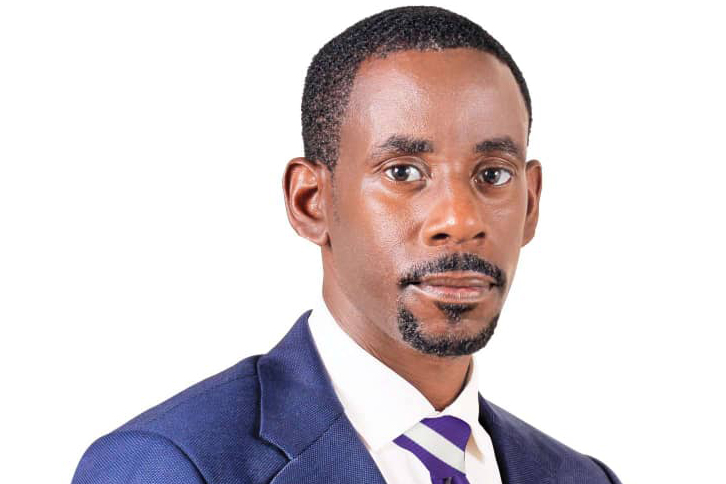
The writer is an aspiring Member of Parliament for Kampala Central Constituency (2026–2031).
